
A Brief History of Bioresonance: Principles, Applications, and Future of Energy-Based Diagnostics
- winni
- May 05, 2026
- 256
- 0
- 0
Introduction: What Is Bioresonance Technology?
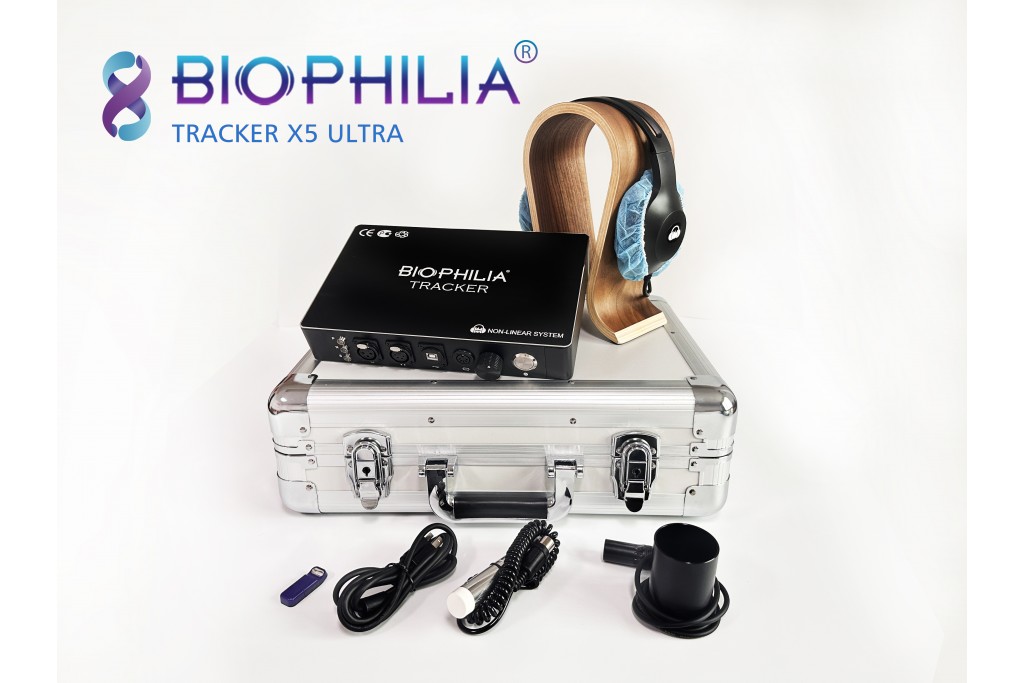
As modern medicine continues to evolve, more people are seeking non-invasive, drug-free diagnostic and therapeutic options. Bioresonance technology is one such cutting-edge approach within energy medicine. By measuring the subtle electromagnetic frequencies emitted by living cells, it helps identify health imbalances at an early stage, offering new possibilities for preventive care and personalised treatment.
This article explores the history, science, applications, controversies, and future prospects of bioresonance therapy.
1. The Origins of Bioresonance: From Royal Rife to Modern NLS Technology
The history of bioresonance dates back to the 1920s, when American inventor Royal Rife developed a machine that used specific electromagnetic frequencies to target harmful pathogens. Although groundbreaking, his work faced strong skepticism from the medical establishment.
Later, Nikola Tesla and Albert Einstein provided fundamental insights into electromagnetism and theoretical physics, laying the scientific groundwork for understanding energy dynamics in the human body.
In the 1970s, Erich Rasche and Dr. Franz Morell integrated quantum physics principles into medical diagnostics, leading to early bioresonance devices. In the 1980s, Russian scientist Professor Vladimir Nesterov and his son Svyatoslav Nesterov refined these concepts and developed NLS (Non-Linear System) diagnostic technology, now considered the gold standard in bioresonance diagnostics.
2. The Science Behind Bioresonance: Every Cell Emits a Signal
The core principle of bioresonance is that every living cell emits a unique electromagnetic frequency. Modern bioresonance scanners use sensitive sensors and advanced algorithms to capture these signals and convert them into visual health data.
For example, a scan may detect abnormal energy patterns in the immune system before any physical symptoms appear, indicating potential inflammation or stress.
Although the underlying physics is still debated, a growing number of case studies suggest that bioresonance holds promise as a non-invasive, holistic diagnostic tool.
3. Common Applications of Bioresonance Therapy
Bioresonance is currently used in several key areas:
Allergy detection – identifying hidden food or environmental sensitivities.
Chronic condition management – supporting IBS, arthritis, migraines, and more.
Hormonal balancing – assessing endocrine function.
Tissue health assessment – evaluating muscles, skin, and connective tissue.
Metabolic monitoring – gaining insights into digestive and metabolic processes.
These applications make bioresonance a valuable complementary tool for personalised, holistic health strategies.
4. Safety, Efficacy, and Controversies
Benefits:
Non-invasive – no needles, surgery, or recovery time.
Drug-free – suitable for those who want to reduce medication use.
Early warning capability – identifies potential issues before symptoms arise.
Controversies:
Limited large-scale studies – most evidence comes from small studies or case reports.
Variable device quality – uncertified devices and untrained operators can lead to inconsistent results.
Low acceptance by mainstream medicine – not yet endorsed by major medical organisations.
Despite these challenges, a growing number of integrative and forward-thinking medical professionals are adopting bioresonance as an adjunct to traditional care.
5. Where Science Meets Metaphysics
Bioresonance uniquely bridges modern science and ancient energy medicine. Many traditional healing systems have long recognised the existence of human energy fields. Bioresonance provides a way to measure and interpret these subtle energy patterns.
This fusion not only enriches our understanding of health but also opens new doors for integrative medicine.
6. Future Prospects: From the Margins to the Mainstream?
With the rise of antibiotic-resistant bacteria and growing demand for non-invasive diagnostics, bioresonance is gaining renewed attention. Academic databases such as PubMed and ScienceDirect are beginning to include more peer-reviewed studies on the subject.
As research expands, bioresonance may gradually gain wider scientific acceptance as a valuable tool in preventive and holistic healthcare.
7. Conclusion: Understanding Health Through the Lens of Energy
Bioresonance technology does not aim to replace conventional medicine. Instead, it offers a non-invasive, drug-free, early-warning approach that complements existing healthcare systems.
Whether you are a medical professional or someone exploring gentler ways to manage your health, learning about bioresonance is a worthwhile journey.
Disclaimer: This article is for educational and research purposes only and does not constitute medical advice. Always consult a qualified healthcare professional before starting any new diagnostic or treatment approach.